
Independent pool guide
Bring a tired pool back to like new.
Pool Renovation and Care Guide
Plain answers on resurfacing, tile, leaks, equipment, water chemistry and safety, so you can talk to contractors as an informed owner and spend on the right fix first.
Start with the diagnosis
A Rough Floor Is a Symptom, Not a Plan
Owners usually notice the surface first: a sandpaper floor, grey blotches, a chalky film on the hands. The surface is often only part of the story.
Before pricing a replaster or new liner, it pays to sort out three questions. Is the shell sound, or are there cracks and hollow spots that will telegraph through any new finish? Is the pool holding water, or is a leak quietly undermining the deck and the budget? And is the water chemistry what wore the surface out in the first place? This pool renovation and care guide walks through each one, then compares the finishes, the equipment and the safety items worth folding into the same project.
How to vet the contractor who does the work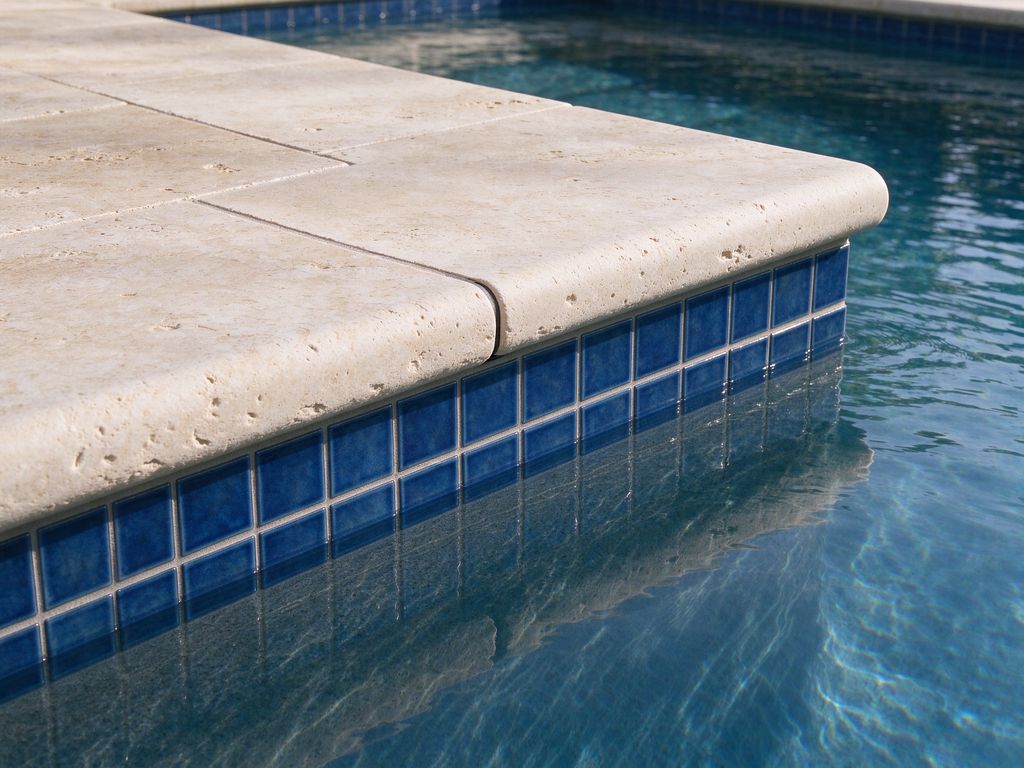

The guides
Seven Guides, One Pool
Each guide covers one part of the pool in depth. Hover or tap a row to see what it answers.
-
Plaster, quartz, pebble, fiberglass refinishing and vinyl liner replacement, compared on feel, wear and the pool types they fit, plus what a resurface job actually involves.
Read the resurfacing options guide -
Waterline tile, grout, glass versus porcelain, and stone, brick or concrete coping. Why the bond beam and the mastic joint matter as much as the tile you pick.
Read the tile and coping guide -
How to tell evaporation from a leak with a bucket test, where leaks usually hide, and what dye testing, pressure testing and listening gear can and cannot find.
Read the leak detection guide -
Variable-speed pumps, gas heaters, heat pumps, salt chlorine generators and automation described in general terms, with the questions that decide which fits your pool.
Read the equipment upgrades guide -
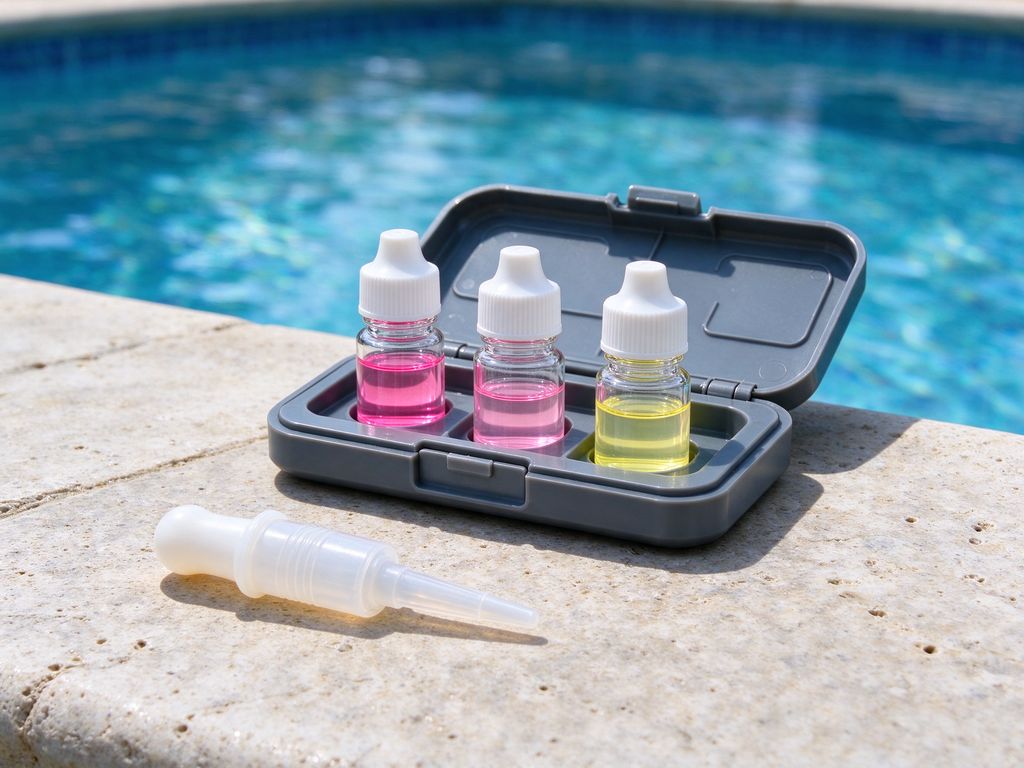
The five water readings that matter, how they wear or protect a finish, and the jobs involved in opening a pool in spring and closing it before a freeze.
Read the water care and seasons guide -
Fences, self-closing gates, alarms, covers and anti-entrapment drain covers, explained against published federal guidance. Local code always has the final word.
Read the safety barriers and drains guide -
Licenses, insurance, written scope, permits, payment schedules and warranties: the paperwork that separates a good renovation from a long argument.
Read the choosing a contractor guide
Interior finishes
Five Ways to Make the Inside New Again
The right finish depends first on what your pool is built from. Concrete pools get a cement-based finish, fiberglass gets its gelcoat restored, and vinyl pools get a new liner.
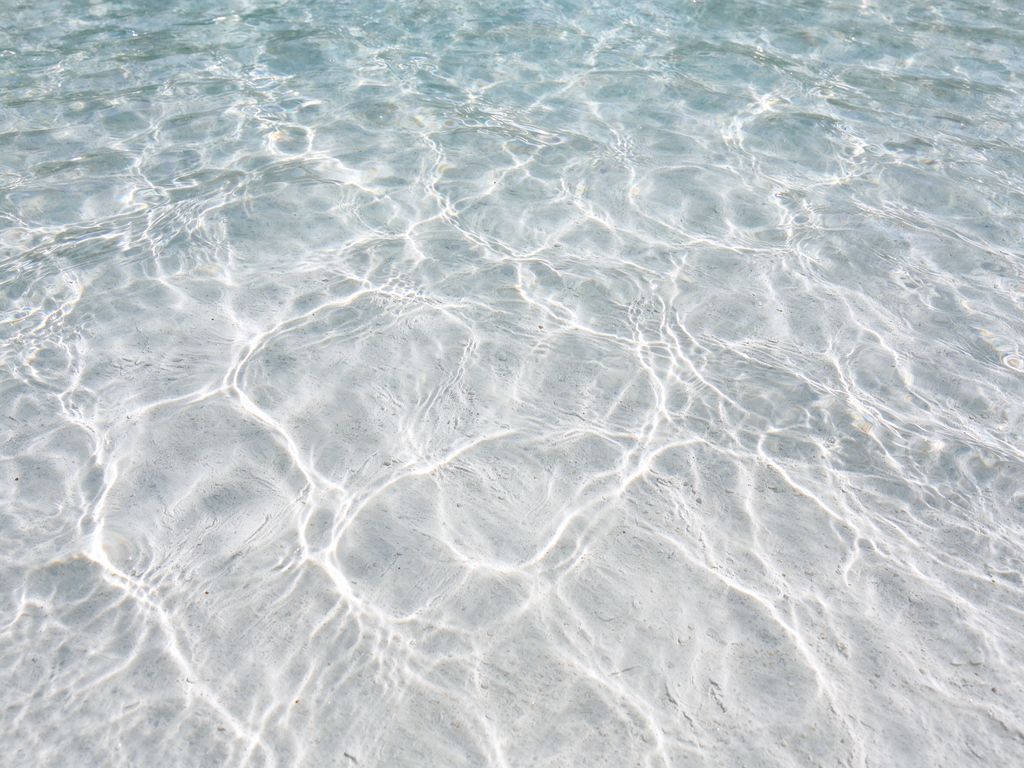
Plaster (White marcite)
The classic troweled cement and marble-dust finish. Bright, smooth and the usual baseline when owners compare quotes. It shows etching and staining sooner than the aggregate finishes, so water balance matters from day one.
- Feel
- Smooth
- Wear
- Shortest of the cement finishes
- Fits
- Concrete pools
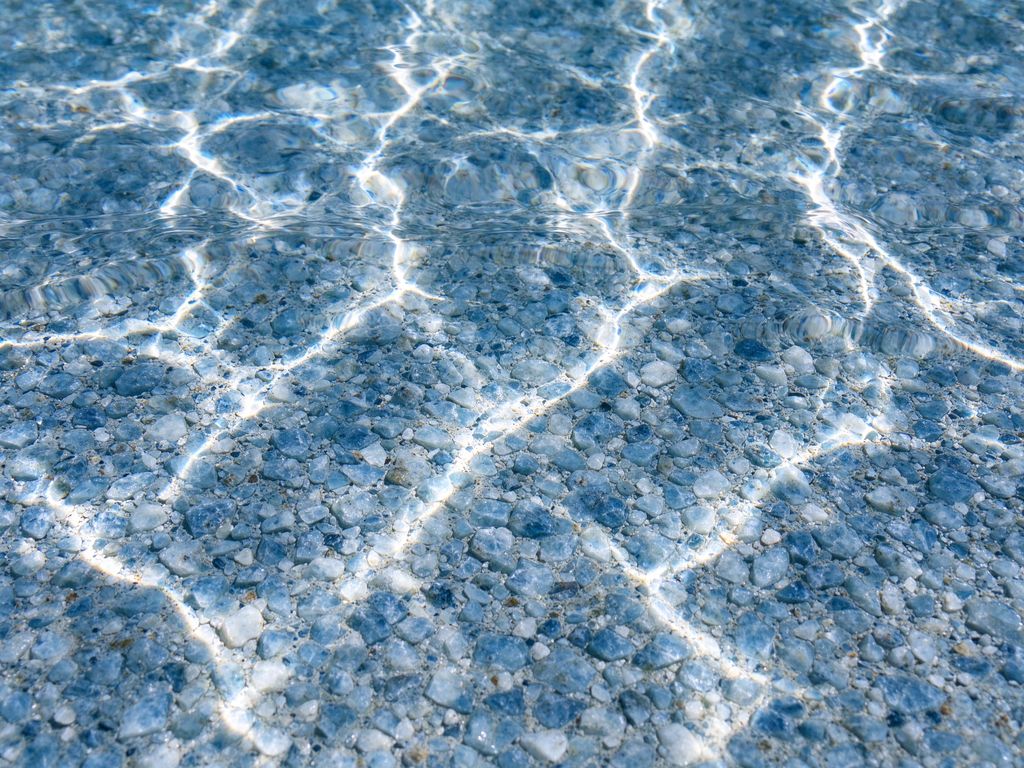
Quartz (Colored quartz aggregate)
Plaster with crushed, often colored quartz mixed in. Slightly textured, hides minor blemishes better than white plaster, and opens up blue, grey and green water tones.
- Feel
- Fine grain
- Wear
- Longer than plain plaster
- Fits
- Concrete pools
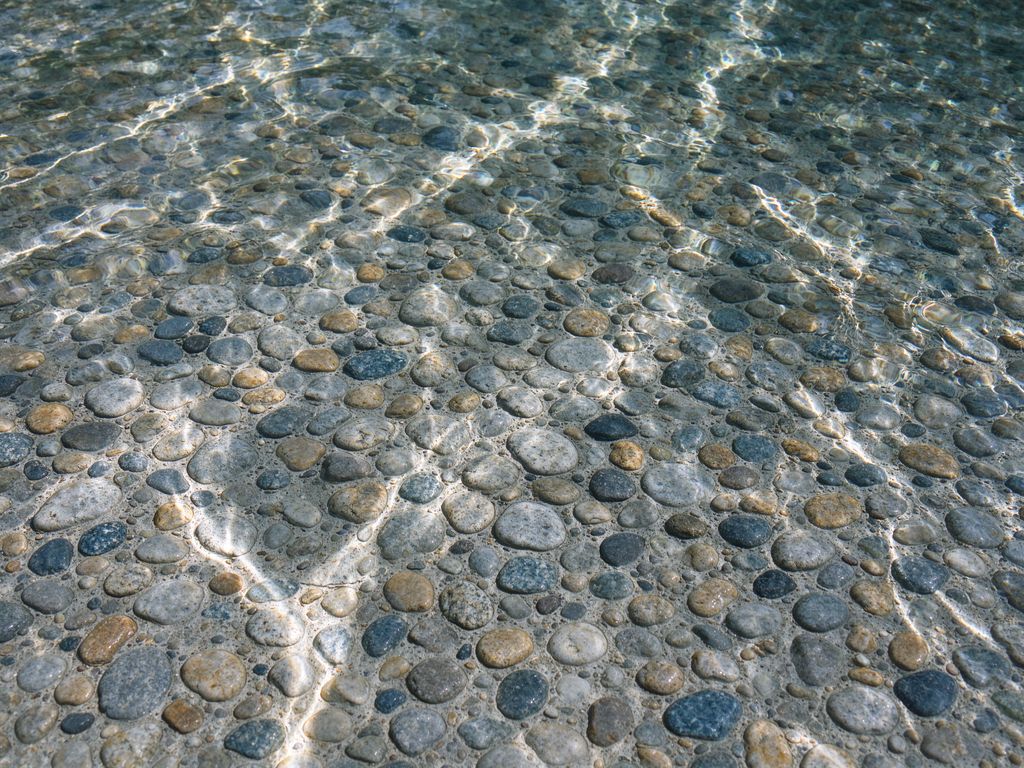
Pebble (Exposed pebble aggregate)
Small stones set in cement, then washed so the tops show. The most textured cement finish and usually the longest wearing. Polished or mini-pebble versions feel gentler on feet.
- Feel
- Textured
- Wear
- Longest of the three
- Fits
- Concrete pools
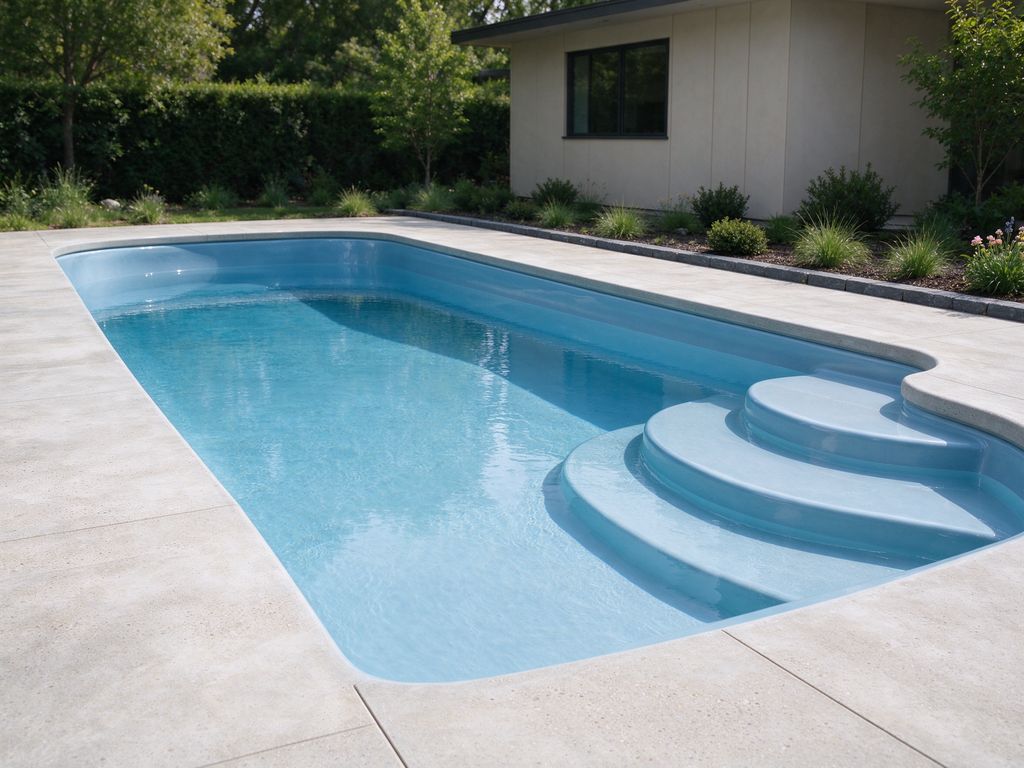
Fiberglass (Gelcoat shell)
A one-piece shell with a glossy gelcoat. Renovation here means repairing blisters or cracks and refinishing or recoating the gelcoat, not replastering.
- Feel
- Glossy
- Wear
- Gelcoat can be refinished
- Fits
- Fiberglass shells
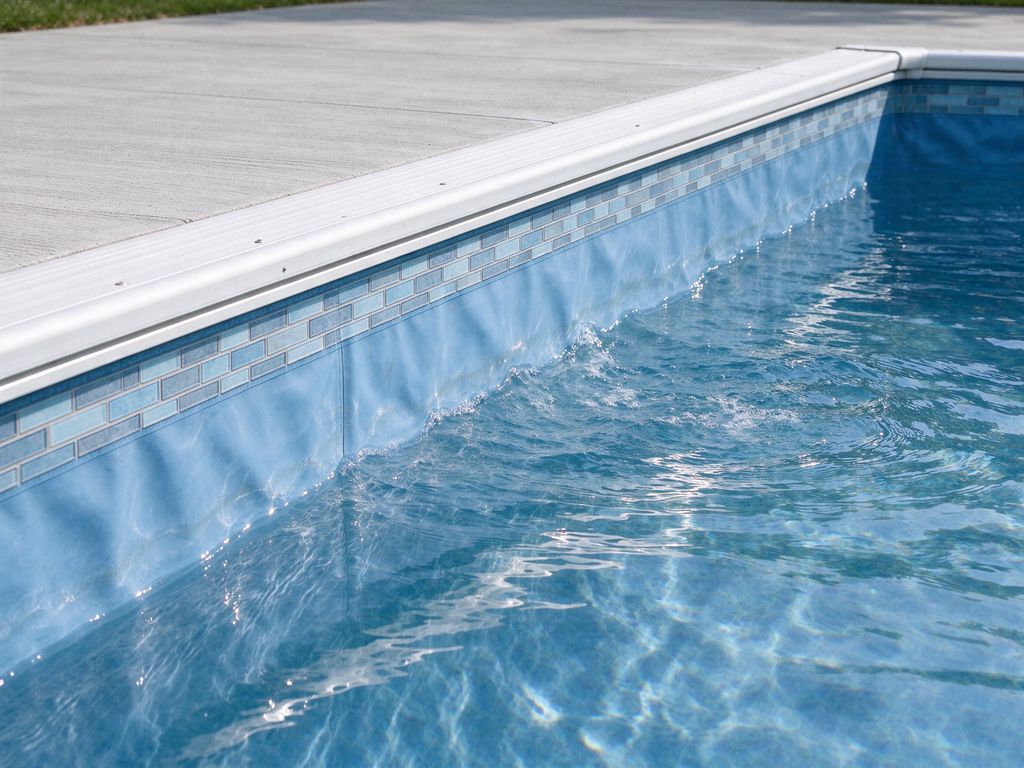
Vinyl (Liner replacement)
A vinyl pool is renewed by swapping the whole liner. The job hinges on accurate measurements, wall and floor repairs underneath, and the liner thickness and pattern you choose.
- Feel
- Soft
- Wear
- Replaced as one piece
- Fits
- Vinyl-liner pools
How a replaster unfolds
Five Stages That Decide How a Finish Wears
Most resurfacing problems people blame on the product start in one of these stages. Knowing the order lets you ask the right question at the right time.
-
01
Drain.
A concrete pool is drained only after checking the water table. Groundwater pressure can lift an empty shell, which is why many pros open a hydrostatic relief valve first.
-
02
Prep.
Old finish is chipped out or the surface is acid washed and roughened so new material bonds. Hollow spots found by tapping get removed now, not later.
-
03
Apply.
The new finish goes on in one continuous day for most pools, troweled by a crew working floor to waterline before the material sets.
-
04
Cure.
Refilling starts right away without stopping. A hose sock or towel keeps the stream from marking the fresh surface on the floor.
-
05
Balance.
Start-up chemistry and daily brushing over the first weeks set the finish. Most early staining and roughness traces back to this step.
Sheet 01 / Before you sign
Four Checks Before Any Pool Renovation
A finish, a liner or a tile band only lasts as long as what sits under and around it. Hover or tap each check to see why it comes first.
Check 01 / Cracks, hollow spots and settling
Structure
A new finish over a moving crack cracks again. Ask what the contractor will do about structural cracks, delamination and loose tile before you talk about colors. Read the guide.
Check 02 / Leaks before finishes
Water loss
If the pool loses more water than evaporation explains, find the leak first. A bucket test takes a day and costs nothing. Read the guide.
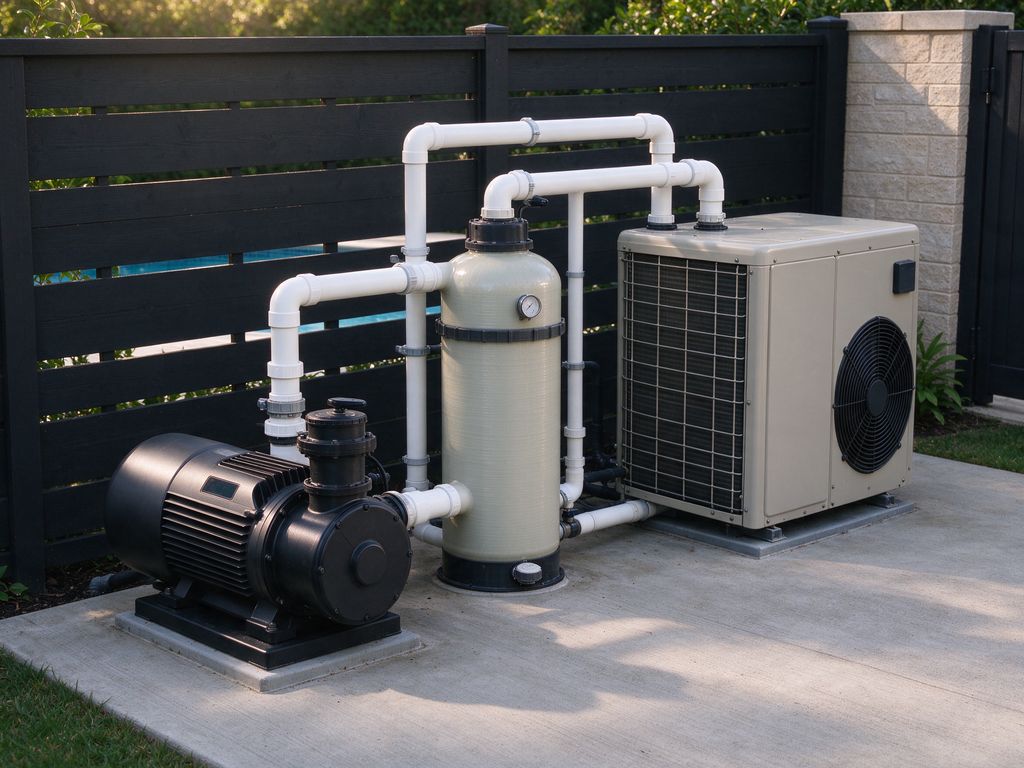
Check 03 / Pump, filter, heat, sanitizer
Equipment
A renovation is the cheapest moment to replumb or swap aging equipment, because the yard is already a job site. Read the guide.
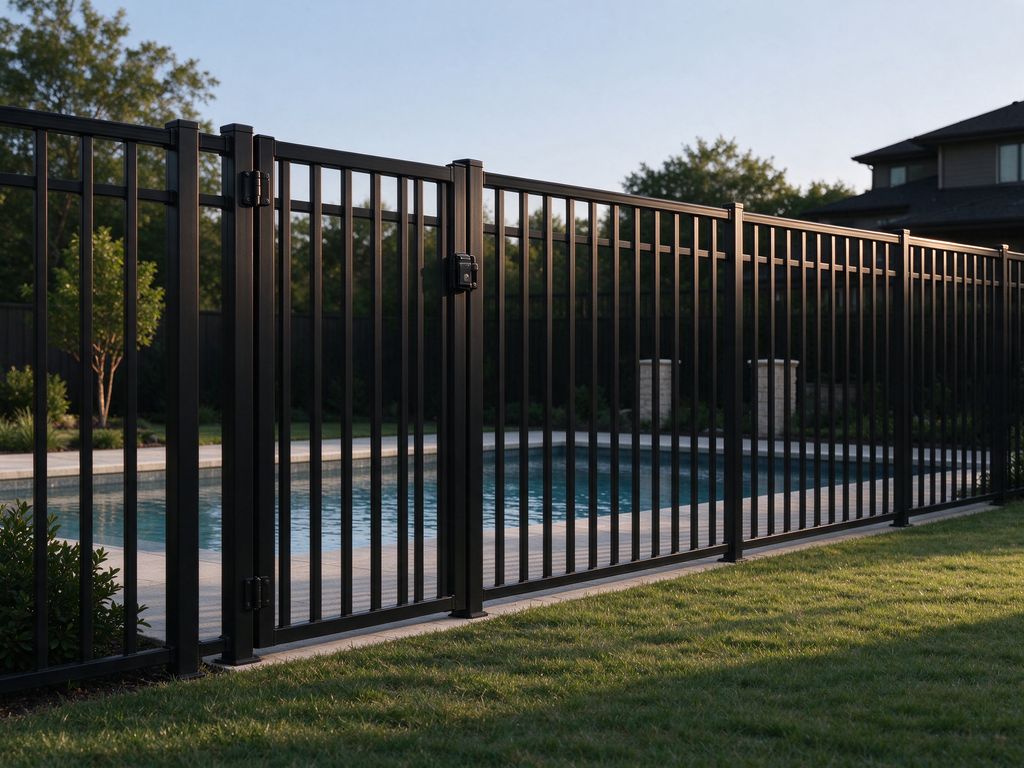
Check 04 / Barriers and drain covers
Safety
Drain covers carry a service life and barrier rules are local. Budget for compliant covers and a working gate as part of the job. Read the guide.

Know What Your Pool Needs? Tell Us About It.
Send a short service request describing the pool and the problem. Like New Pool is an independent guide, not a contractor, and requests go straight to our inbox.
Start a service request