
- Home
- Pool safety barriers
Guide 06 / Layers of protection
Every renovation is a chance to make it safer.
Pool Safety Barriers and Drain Covers Guide
Barriers keep young children away from the water when no adult is watching. Drain covers keep swimmers from being held underwater by suction. This guide summarizes published federal guidance in general terms. Your local code always has the final word.
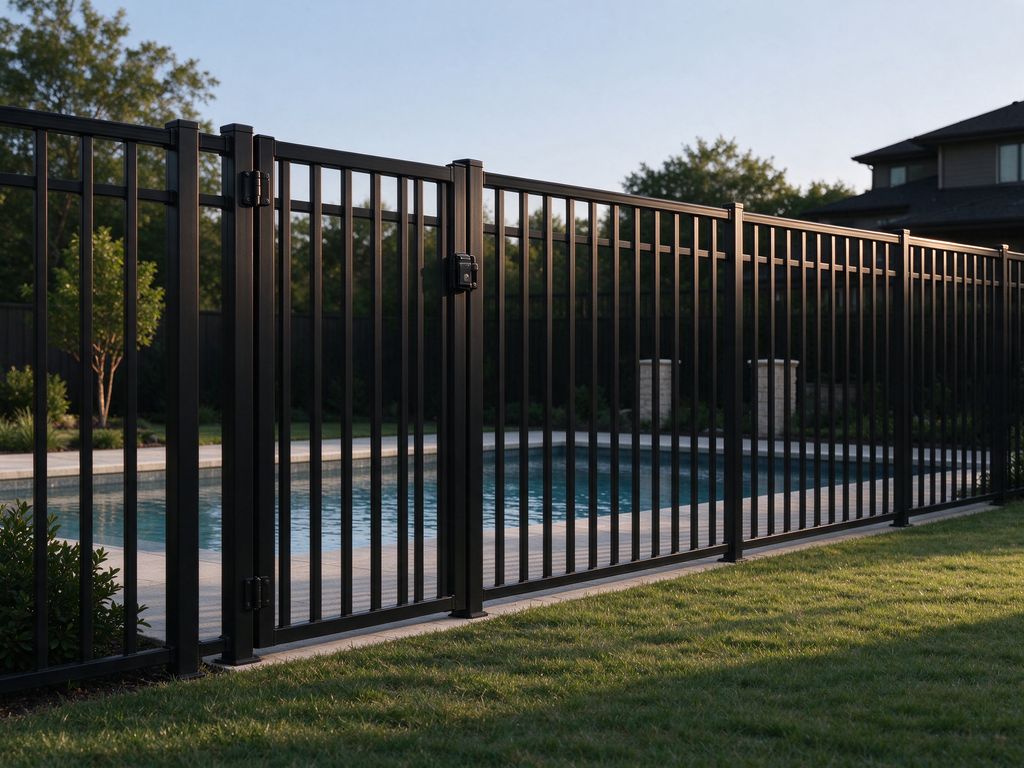
According to the CDC, drowning is the leading cause of death for children ages 1 to 4 in the United States, and most of those deaths in that age group happen in home swimming pools. No single device prevents every incident, which is why safety experts talk about layers.
Why a Renovation Is the Right Time
Resurfacing, retiling or replacing equipment often means drains are exposed, the deck is open and the yard is already torn up. That makes it the cheapest moment to upgrade drain covers, fix a gate that no longer latches or close a gap under the fence. Write safety items into the renovation scope so they are not an afterthought.
Barrier, gate, alarm and drain requirements are set by state and local codes, many based on the International Swimming Pool and Spa Code or similar model codes, with local amendments. The guidance below describes federal publications in general terms. Confirm the exact rules with your building department or a licensed contractor before you build.
Layers of protection
Five Layers, No Single Answer
Each layer catches what the one before it misses. Scroll through them in the order they protect a child who heads toward the water.
-
01
Watch.
Supervision comes first. Name a water watcher who is not reading, cooking or on a phone, and keep young children within arm's reach.
-
02
Fence.
A barrier on all sides separates the pool from the house and yard, so a child who slips outside cannot reach the water.
-
03
Latch.
Gates that close and latch on their own fail safe. A gate propped open is a fence with a hole in it.
-
04
Alarm.
Door, gate and pool alarms add a warning when a barrier is breached. They supplement barriers, not replace them.
-
05
Drain.
Compliant drain covers and the right suction setup prevent entrapment, the hazard a fence cannot stop.
Fences and Gates: What Federal Guidance Describes
The U.S. Consumer Product Safety Commission publishes Safety Barrier Guidelines for Residential Pools. It is guidance, not law, but many local codes cover similar ground. In general terms it describes:
- Height. A barrier at least 48 inches tall, measured on the side away from the pool.
- No easy climbing. Openings and gaps small enough that a 4-inch sphere cannot pass through, a gap of no more than 4 inches at the bottom, and horizontal rails placed so they do not form a ladder on the outside.
- Gates that protect themselves. Gates that open outward away from the pool and are self-closing and self-latching, with the latch release mounted high (the guidelines describe 54 inches from the bottom of the gate) or placed on the pool side if lower.
- The house as a wall. Where the house forms part of the barrier, doors leading to the pool should have alarms or other protection, such as self-closing, self-latching hardware.
- Above-ground pools. Steps and ladders secured, locked or removed when the pool is not in use.
Many codes add or change details, such as gate hardware, pool alarms, permanent versus removable mesh fencing, and how far a barrier must sit from the water's edge. Treat these points as a checklist for questions, not as your local requirement.
Barriers fail through small changes: a patio chair or planter pushed against the fence, a gate spring that weakens, a latch that sags out of line after the post shifts. Test the gate every time you open the pool for the season.
Drain Covers and Suction Entrapment
Suction outlets, such as main drains and some cleaner and spa fittings, pull water back to the pump. If a body, limb or hair blocks an outlet with a missing, broken or non-compliant cover, the suction can hold a swimmer underwater. Entrapment is one hazard that a fence cannot prevent.
The federal Virginia Graeme Baker Pool and Spa Safety Act, signed in 2007, requires drain covers manufactured, distributed or sold in the U.S. to meet a national anti-entrapment standard, and sets added requirements for public pools and spas. Residential owners benefit from the same certified covers.
- Check the cover markings. Compliant covers are labeled with the standard they meet, the flow rating and a service life. Replace covers that are past that life, cracked, brittle or missing screws.
- Match the cover to the system. A cover is rated for a maximum flow. A pump upgrade can change that math, so ask the installer to confirm the covers are rated for the new pump.
- Avoid single blockable drains. Many systems use two drains piped so one cannot be fully blocked, or add a safety vacuum release system. Your contractor can explain what your pool has and what local code requires.
- Never swim with a cover missing. If a cover is broken or gone, close the pool and turn off the pump until it is replaced.
Drain cover replacement on a full pool may involve diving or partial draining, and suction changes involve plumbing. It is a natural add-on to a resurfacing job or an equipment upgrade.
Pool Safety Checklist
Walk the pool area with this list. It saves your progress on this device only.
Walk-around safety check
A starting point for conversation, not an inspection. Your local code and a qualified professional decide what your pool requires.
Pool Safety Questions
Is a fence required around my backyard pool?
In most of the U.S., some form of barrier is required, but the exact rule is set by your state, county or city, often through an adopted building or pool code. Many places also have rules about door alarms and gate hardware. Check with your local building department before you build or change a barrier.
Are my drain covers still good?
Compliant drain covers are marked with their standard and a rated service life. If yours are past that life, cracked, missing screws or discolored and brittle, replace them with covers certified for your drain size and flow. Have a qualified pool professional confirm the match.
Does a pool cover count as a barrier?
A safety cover designed to a recognized standard adds protection when the pool is closed, and some codes accept a powered safety cover in certain situations. A floating solar cover or a loose winter tarp is not a barrier and can hide a child in the water. Your local code decides what counts.
Do above-ground pools need barriers too?
Usually, yes. The pool wall can count as part of the barrier where codes allow, but ladders and steps must be secured or removed when the pool is not in use. Check local rules.
Keep reading
Related Pool Guides

Adding Safety to a Renovation?
Tell us about your barrier, gates and drains, and what you are renovating. Safety items fit best into the same project.
Request safety upgrades